Manufacturer & Supplier of all types of Metal Components.
...
Brass Fitting Parts

Manufacturer & Supplier of all types of Metal Components.
...
Brass Fitting Parts
We “Meera Brass Products†are one of the preeminent manufacturers, suppliers and exporter of a precision engineered range of brass products for electrical and automobile industry...
Brass Fitting Parts
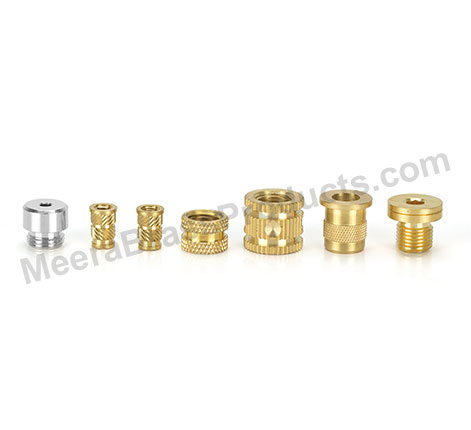
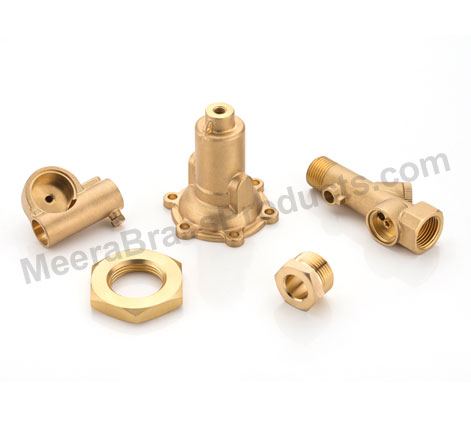
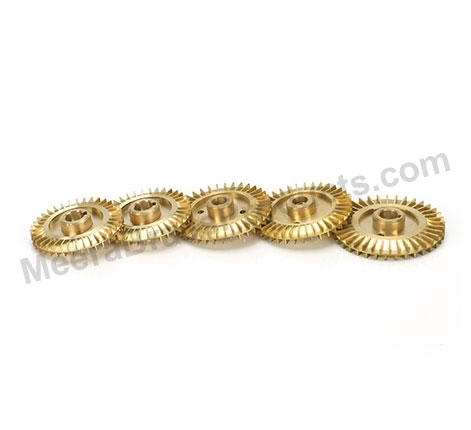
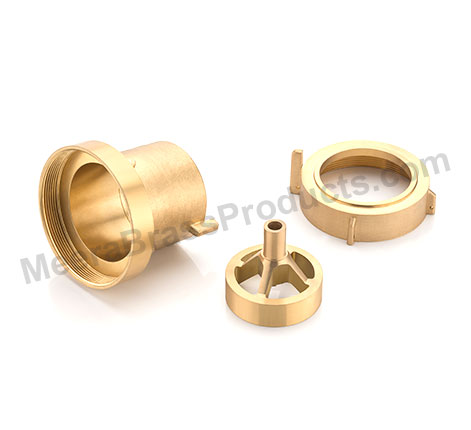
.jpg "Meera Brass Components")
Meera Brass Components Products is always committed to providing Guaranteed Quality, Assured on-time deliveries, Customer Satisfaction, Competitive Prices. Meera Brass Components built-in space of...
Brass Fitting Parts

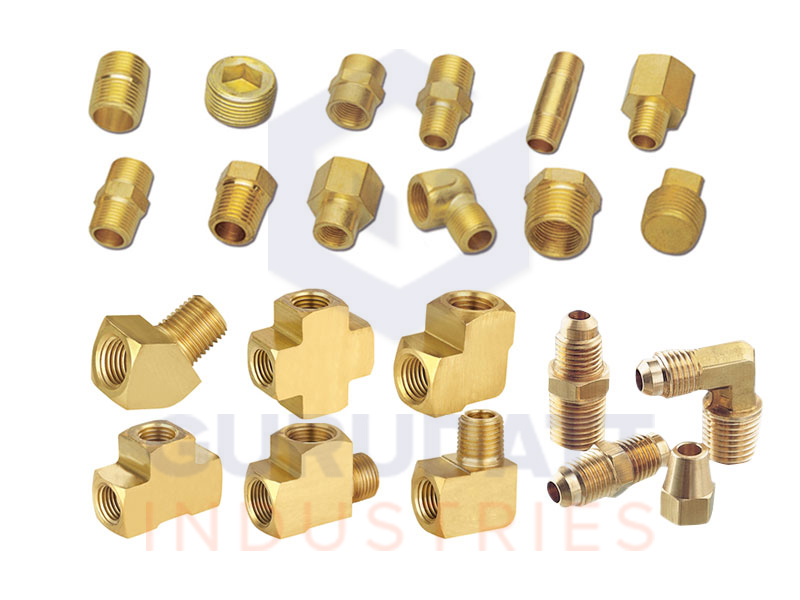
Gurudatt Industries Originated in Jamnagar, India in the year 2015. Gurudatt Industries have well build a team of experts and upgraded machinery technology can give an innovative and dynamic solution...
Brass Fitting Parts
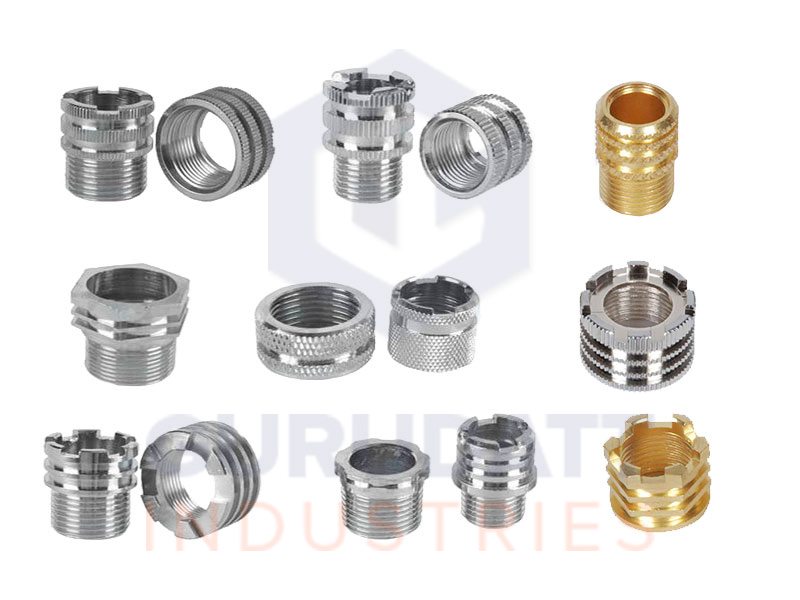
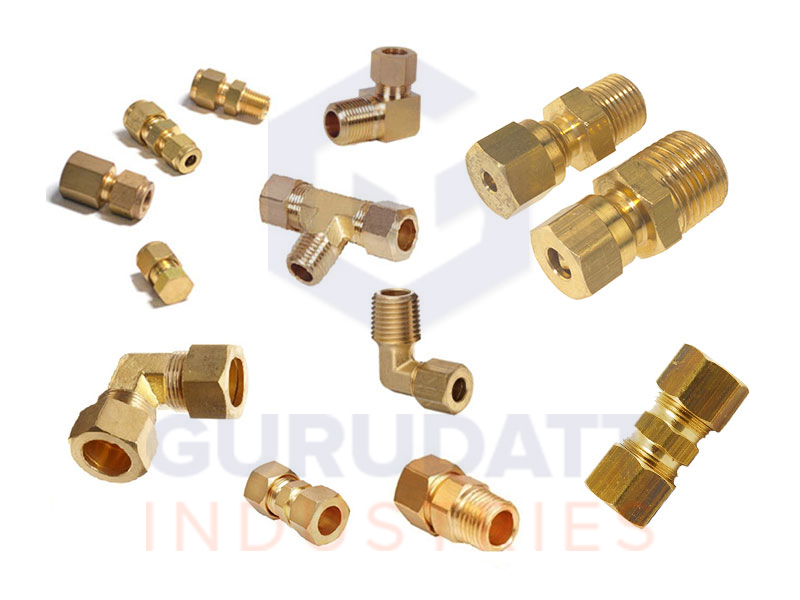
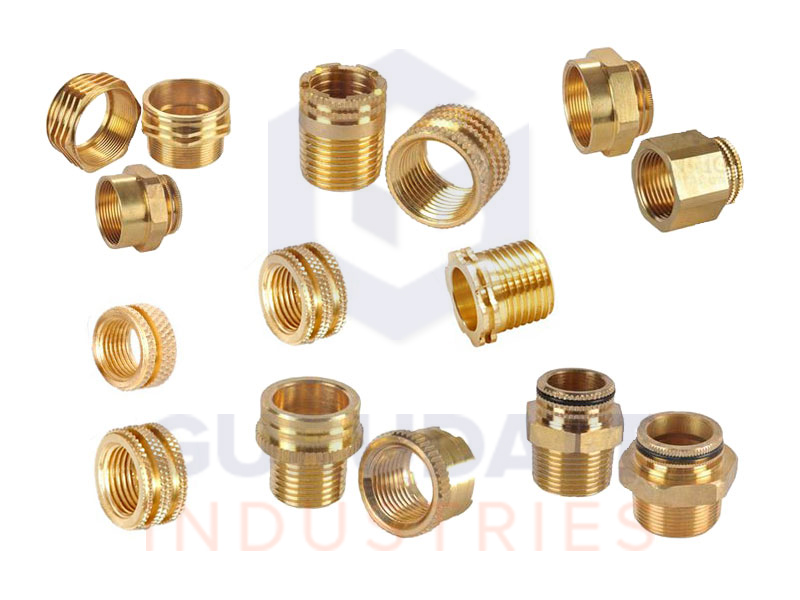
Shiv Shakti extrusion is an ISO 9001:2008 Certified Company. Shiv Shakti extrusion is a leading manufacturer and exporter of Copper Alloy Extrusions. Shiv Shakti extrusion have in-house installed...
Brass Fitting Parts
Shiv Om Brass Industries, a division of Shiv Om Group accredited with the honours of ISO 9001:2000 certifications. Shivom Brass Industries Main plant at Jamnagar is having the state of art...
Brass Fitting Parts

Able Brass Components team is having years of experience in manufacturing sanitary brass components as per drawing and samples. Able Brass Components supply and manufacture different types of brass...
Brass Fitting Parts

Shiv Shakti Industries is an ISO 9001:2008 certification and RoHS compliant to use high-quality inputs in the manufacturing process. Apart from these, Shiv Shakti Industries also seize VDA 6.3- German...
Brass Fitting Parts
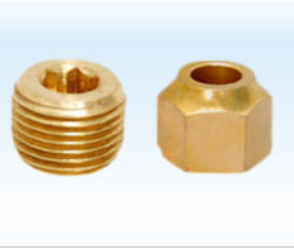
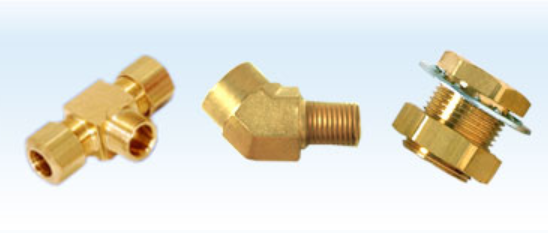

Pooja western Metaliks Ltd is an ISO 9001:2015 Certified Company. Poojawestern Metaliks has marked the Listing of the 200th company on the BSE SME Platform on 5th October 2017. Poojawestern Metaliks...
Brass Fitting Parts